
GILLESPIE GALLERY OF ART
UNFRIENDLY SKIES: BIRDS, BUILDINGS, COLLISIONS
October 29 - November 20, 2015
Main Gallery, Art & Design Building
In cooperation with Goucher College Art Galleries
About the Exhibition
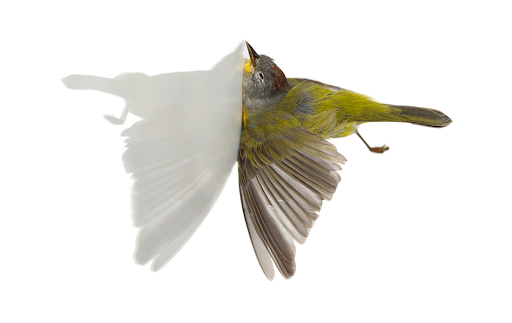
Unfriendly Skies: Birds, Buildings, and Collisions features diverse work of artists bringing attention to a little considered but important fact that each year as many as 1.3 billion birds are killed as a result of collisions with buildings. While the focus of the exhibit is bird conservation, many of the artists on view examine poetic dimensions of bird imagery and its hold on the human imagination. Curated by Lynne Parks.
Curator’s Statement:
Throughout human history, birds have remained close to us. They have enriched our culture with their color and beauty, their distinctive songs, their intricate behaviors, and, most profoundly, the freedom of their flight.
It is worth asking why birds hold such enduring power over us. They appear everywhere—as symbols in art, politics, religion, national identity, and sport—embodying qualities as varied as prophecy, peace, courage, skill, freedom, and predation. We watch them because their grace captivates us, offering respite from hardship and even from boredom. Birds nourish both spirit and body.
Yet many bird populations are in steep decline due to habitat destruction, climate change, predation by domestic cats, and collisions with human-made structures. The Audubon Society warns that half of all bird species are now threatened. Addressing this crisis requires action on multiple fronts.
Most of the artists in this exhibition confront one of the most pervasive and preventable threats: building collisions. According to the American Bird Conservancy, a lethal combination of glass and artificial light kills up to one billion birds annually in the United States. A single poorly designed building can kill thousands during migration, while countless additional deaths occur at residential windows—across more than 123 million homes. Most collisions happen within thirty feet of the ground. By rethinking urban design and modifying residential glass, these losses can be significantly reduced. Birds do not strike windows out of ignorance; rather, the rapid transformation of the human-built environment has outpaced their evolutionary adaptations. Their visual perception differs fundamentally from ours, making glass especially deceptive.
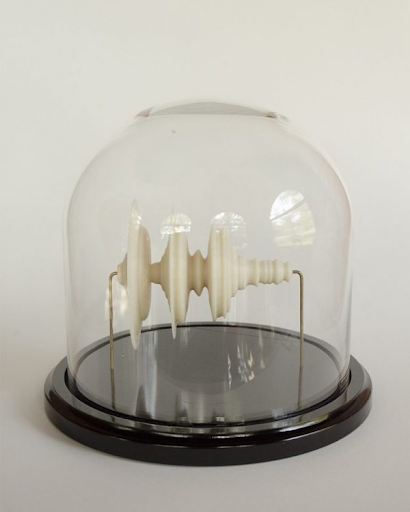
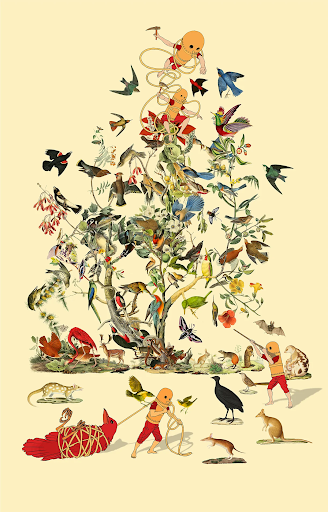
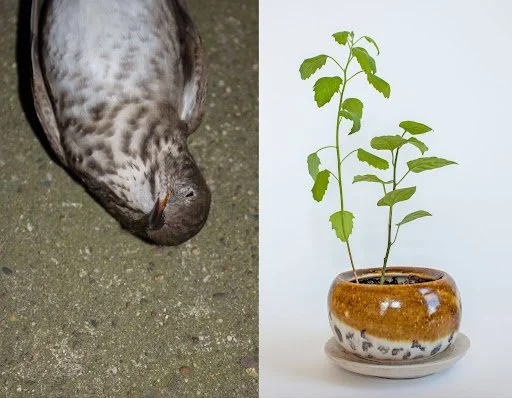
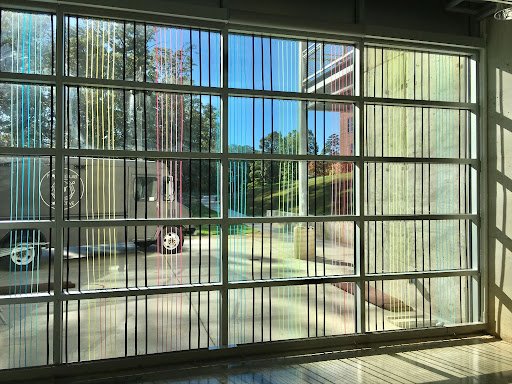
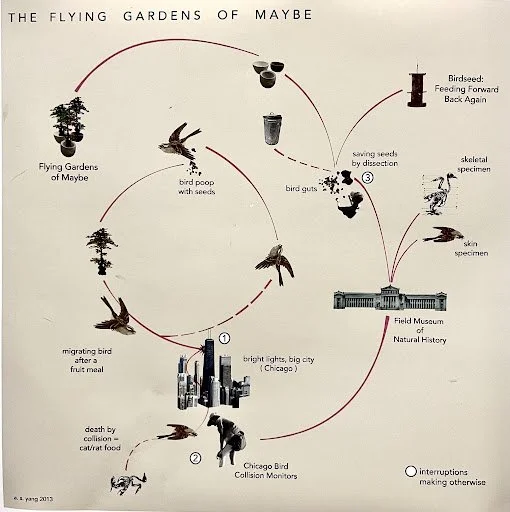
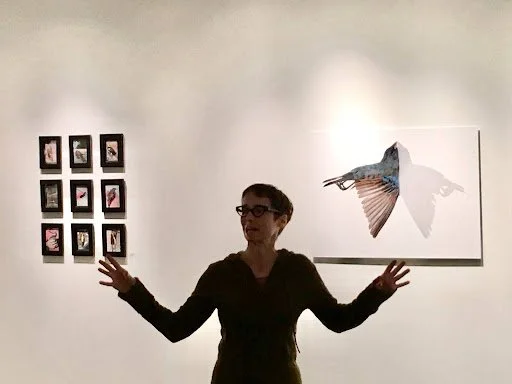
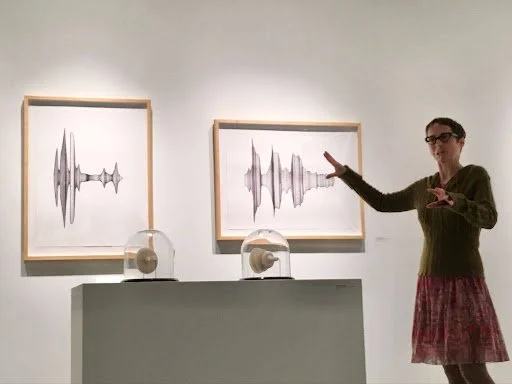
The works in this exhibition span documentary photography, mixed media, portraiture, sound, glass, animation, and installations incorporating bird-strike deterrent materials. Together, they offer warnings, memorials, imagined post-extinction futures, and practical solutions. They also affirm the essential ecological roles birds play, including pollination, seed dispersal, and the control of insects and disease. Several of the participating artists are also active conservationists.
While the survival of many species depends on collective action, this exhibition also reflects the weight of individual loss. Through my volunteer work with Lights Out Baltimore, I have held dying birds in my hands. In those moments, the crisis becomes immediate and personal. Close encounters with birds awaken curiosity about lives beyond our own, while revealing our shared vulnerabilities and interdependence. They invite empathy. As a birder, I have often felt as much curiosity from birds directed toward me as I feel toward them.
Alongside two dozen fellow volunteers, I contribute as both a citizen scientist—collecting data—and a rescuer, working to mitigate harm already done. I hope that we can preserve bird populations so that future generations may continue to study and marvel at their complexity. In Unfriendly Skies, I have brought together artists whose thoughtful investigations and deep concern aim not only to inspire but to compel action. - LYNNE PARKS, CURATOR
Participating Artists
Rose Anderson/Baltimore MD, Sandy Anderson/Baltimore MD, Miranda Brandon/Minneapolis MN, Elsabe Johnson Dixon/Alexandria VA, Sam Droege/Upper Marlboro MD, Edgar Endress/St. Augustine FL, Stephanie Garmey/Baltimore MD, Lara Ghelerter/Rosedale MD, Aaron Heinsman/Baltimore MD, Brian Henry/Baltimore MD, Natalie Jeremijenko/New York City, Bonnie Crawford Kotula/Baltimore MD, Ursula Marcum/Baltimore MD, Lisa Moren/Baltimore MD, Tim Nohe/Baltimore MD, Jenny O’Grady/Lutherville MD, Lynne Parks/Baltimore MD, Elisabeth Pellathy/Birmingham AL, Ben Piwowar/Baltimore MD, Nicole Shiflet/Baltimore MD, Nick Simko/Baltimore MD, Chris Siron/Baltimore MD, Van Wensil/Elkridge MD, Andrew Yang/Chicago, IL
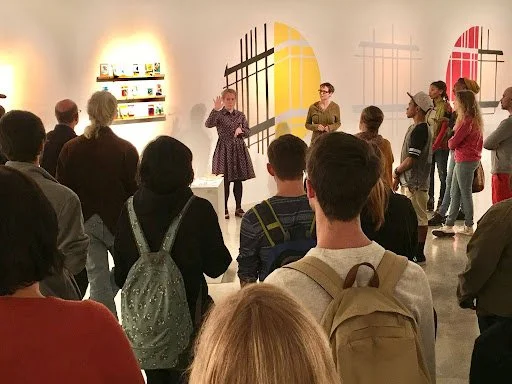
Public Conversation: Artist/Curator Lynne Parks and Christine Sheppard, Bird Collisions Campaign Manager for the American Bird Conservancy, will discuss the exhibition’s themes and the impact of manmade structures and environmental degradation on North American bird populations.
About Christine Sheppard: Sheppard earned her PhD at Cornell University. Her interest in captive propagation as a tool to save endangered species led her to the Wildlife Conservation Society’s Bronx Zoo, where she started as curatorial intern and ended as head of the Ornithology Department. She has chaired American Zoo Association taxon advisory groups for Coraciiformes, Galliformes and Gruiformes and has chaired the IUCN Hornbill Specialist Group. She initiated the Green Team at WCS and the Green Practices Advisory Group for AZA.
About the Curator: Lynne Parks is an artist and curator working in Baltimore, MD. She was the 2013 recipient of the Mary Sawyers Baker Prize.