The Home of Kendra and John Johnson
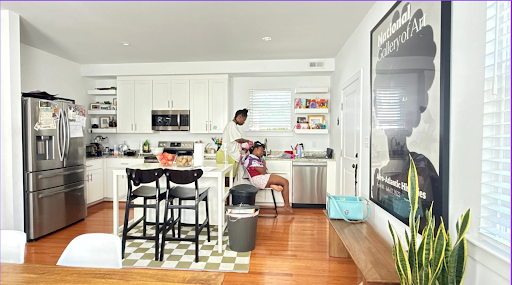
Kendra Johnson is the matriarch of the Johnson family and the founder of Tribe Healer. She practices the art of making home a place that is organized, cozy, and alive with intention. Through daily rituals and steady routines, Kendra nurtures a household that supports each family member in doing the work they were called to do in the world.
John A. Johnson is a poet, playwright, and native Washingtonian, and the founder of Verbal Gymnastics Theater Company. A three-time DC Arts Commission Artist Fellow, John has written and produced six plays that celebrate the culture and stories of Washington, DC. His work spans theater, youth development, and radio storytelling, using innovative forms to spark dialogue around race, cultural preservation, and community change east of the river.
Together, Kendra and John are raising their daughters, Leah and Marley, in a home rooted in creativity, care, and community. Their family life reflects a shared commitment to making house into home—and extending that sense of belonging and support outward to the people and neighborhoods they serve.
The prescription the Johnson family offers the community is this: tend the home as a living system that nourishes purpose. Through intention, ritual, creativity, and care, their household is designed to support each family member in doing the work they were born to do. In their home, art is made, stories are honored, and routines become anchors. Their life together shows that when a home is organized with love, filled with imagination, and rooted in cultural memory, it becomes medicine—fueling creative labor, strengthening family bonds, and sustaining community work far beyond its walls.
The Home Jason “JaySun” Anderson

Jason “JaySun” Anderson is a culture worker, storyteller, and healer whose work blends theater, music, comedy, film, and interactive media to communicate in ways that feel both magical and grounding. A lifelong learner and global traveler, JaySun exchanges ideas across cultures, using art as a tool for healing, connection, and transformation. His unorthodox approach has captivated audiences around the world while staying deeply rooted in community.
At home in Washington, DC, JaySun is a teacher and basketball coach with District of Columbia Public Schools, uplifting young people by centering creativity, expression, and story. His work consistently highlights local voices, honoring the storytellers who shape community life. He is the writer of several films and the producer of the interactive media presentation History of the Drum.
Together with his co-parent, Samaria Marley, JaySun raises their children, Jah and Z, in a home that supports art-making, curiosity, and service. His wisdom flows from his household into the neighborhoods he serves—shaped by shared experiences at Community of Hope and reading hours at the Anacostia Museum. This family was chosen for their deep connection to community and the intentional home environment that sustains JaySun’s life as a culture bearer and servant-leader.
The prescription Jason “JaySun” Anderson and his family offer the community is this: make creativity a daily practice and let expression be the pathway to healing. Their home is a place where art, movement, play, and story are essential. JaySun shows that when home becomes a space for creativity and cultural grounding, it produces wisdom that travels outward—uplifting neighborhoods, preserving stories, and strengthening the spirit of the community as a whole.
The Home of Renee Sumby
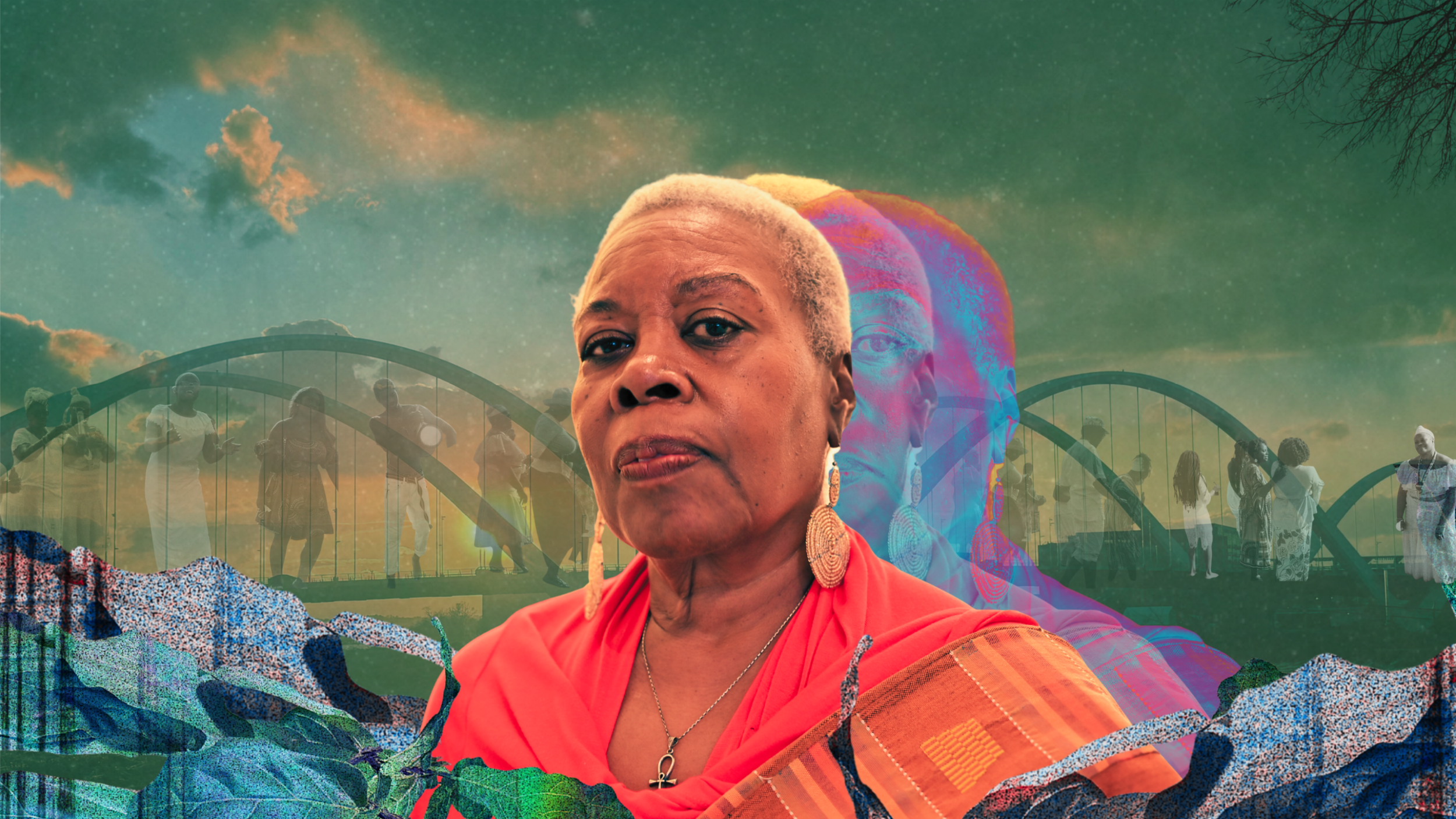
Renee Sumby is a connector, community builder, and cultural steward whose life’s work centers on bringing people together across difference. Introduced to me by Changa Onyango of Baltimore, Renee holds relationships that span cultures, nations, and political spaces—while remaining deeply rooted in the everyday work of local connection.
Integral to building community within the Douglass Condominiums, Renee nurtures trust, strengthens neighborly bonds, and helps people form meaningful relationships with one another. She carries forward the legacy of past community trailblazers while actively becoming one herself, treating culture, tradition, and collective care as living practices rather than abstract ideals.
Renee’s home reflects this commitment. It is curated to welcome people in, honor shared histories, and hold stories of love, resilience, and survival. Her reach extends from close relationships with neighbors to advisory spaces connected to the White House and beyond—yet she consistently brings that global insight back home, ensuring her community benefits first.
The prescription Renee Sumby’s home offers the community is this: make connection the foundation. When home becomes a place of welcome, memory, and relationship-building, it becomes medicine—strengthening community from the inside out.
The Home of Juanita White
Juanita White is a foundational community organizer whose leadership demonstrates how opening one’s home can transform an entire neighborhood—and, in turn, a city. As the founder of the Women of Hillsdale, Juanita opened her front porch and living room to women in the community, creating a space for organizing, political education, and collective action rooted in care and relationship.
Working directly with Marion Barry, the Women of Hillsdale became an anchor organization that supported and helped implement community-based initiatives during his tenure. Juanita recalls sitting on her porch and watching Mayor Barry walk through the neighborhood—leadership in motion, grounded in proximity and trust. Her work exemplified how political change often begins not in offices, but on porches, at kitchen tables, and in living rooms.
Beyond organizing, Juanita modeled joy-filled leadership. She brought warmth, humor, and humanity to the work, showing that community care and political action do not have to be separate from laughter and love. Photographed alongside her daughter, Avis Thomas, Juanita’s story is also one of intergenerational presence and continuity.
The prescription Juanita White offers the community is this: open your home, invite people in, and let care become infrastructure. Her life’s work shows that when home becomes a gathering place, a listening post, and a site of dignity, it becomes medicine that can support the health of the entire city.
The Home of Charnal Chaney
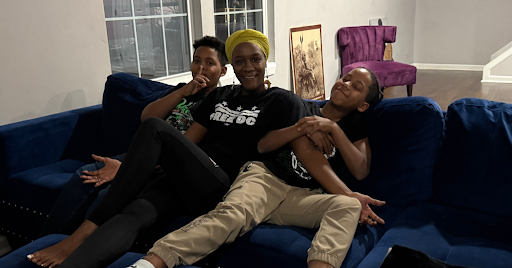
Charnal Chaney is the founder and CEO of Bold Yoga LLC, a visionary Washingtonian dedicated to fostering healing and resilience within the Black community. A trauma-informed yoga instructor, community leader, and healing advocate, Charnal’s work is rooted in her personal journey of overcoming childhood trauma—an experience that now fuels her mission to help others heal, grow, and thrive.
Through trauma-informed practices, Charnal creates safe, inclusive spaces where youth and adults can explore mindfulness, self-discovery, and empowerment. Her teaching and advocacy extend beyond the mat, championing greater access to mental health resources and systemic change in underserved communities. As a motivational speaker, she shares her story with honesty and care, empowering others to transform pain into purpose and reclaim their narratives.
I chose Charnal because her work reminds us that caretakers must also be cared for. Sharing her home revealed a space built slowly and intentionally—one that values small moments, allows room for growth, and serves as a landing place for both her and her children.
The prescription Charnal offers the community is this: build home as a place of retreat and restoration. When home becomes a sanctuary, it becomes medicine, restoring those who heal others so they can return to the world renewed and empowered.
Learn more about Charnal at https://bold-yoga-llc.org/
The Home of LuChiea Hinnant
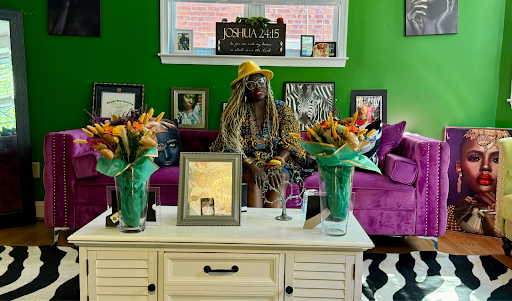
LuChiea Hinnant shines from the inside out, bringing warmth, vision, and possibility into every space she enters. I met LuChiea at a Transformers meeting, and her openness to this project was immediate—an extension of how she moves through the world with generosity and clarity. She is a Real Estate Advisor with MG Residential at The Menkiti Group, and the founder of It’s OVAH Fashion, Real Estate & Lifestyle Consultancy—a brand rooted in one powerful belief: when people see themselves differently, their lives change.
Through her signature It’s OVAH Experience, LuChiea helps individuals, entrepreneurs, and families dress well and live well—opening doors to vision, access, and healing spaces regardless of zip code or tax bracket. Her work lives at the intersection of real estate strategy, image consulting, lifestyle design, and mindset transformation. Whether guiding clients through real estate decisions, business transitions, or pivotal life moments, LuChiea is known for helping people walk into rooms aligned, prepared, and powerful—no longer looking like what they’ve been through.
I chose LuChiea’s home because it radiates her energy. It is a space where memory is honored and identity is visible—where each child is reflected, and where even her son, now an ancestor, is lovingly present.
The prescription LuChiea Hinnant offers the community is this: let your home mirror your spirit. When home becomes a place where energy, memory, and love are intentionally displayed, it becomes medicine—helping families see themselves clearly, stand tall in who they are, and move forward healed and whole.
The Home of Levita Mondie
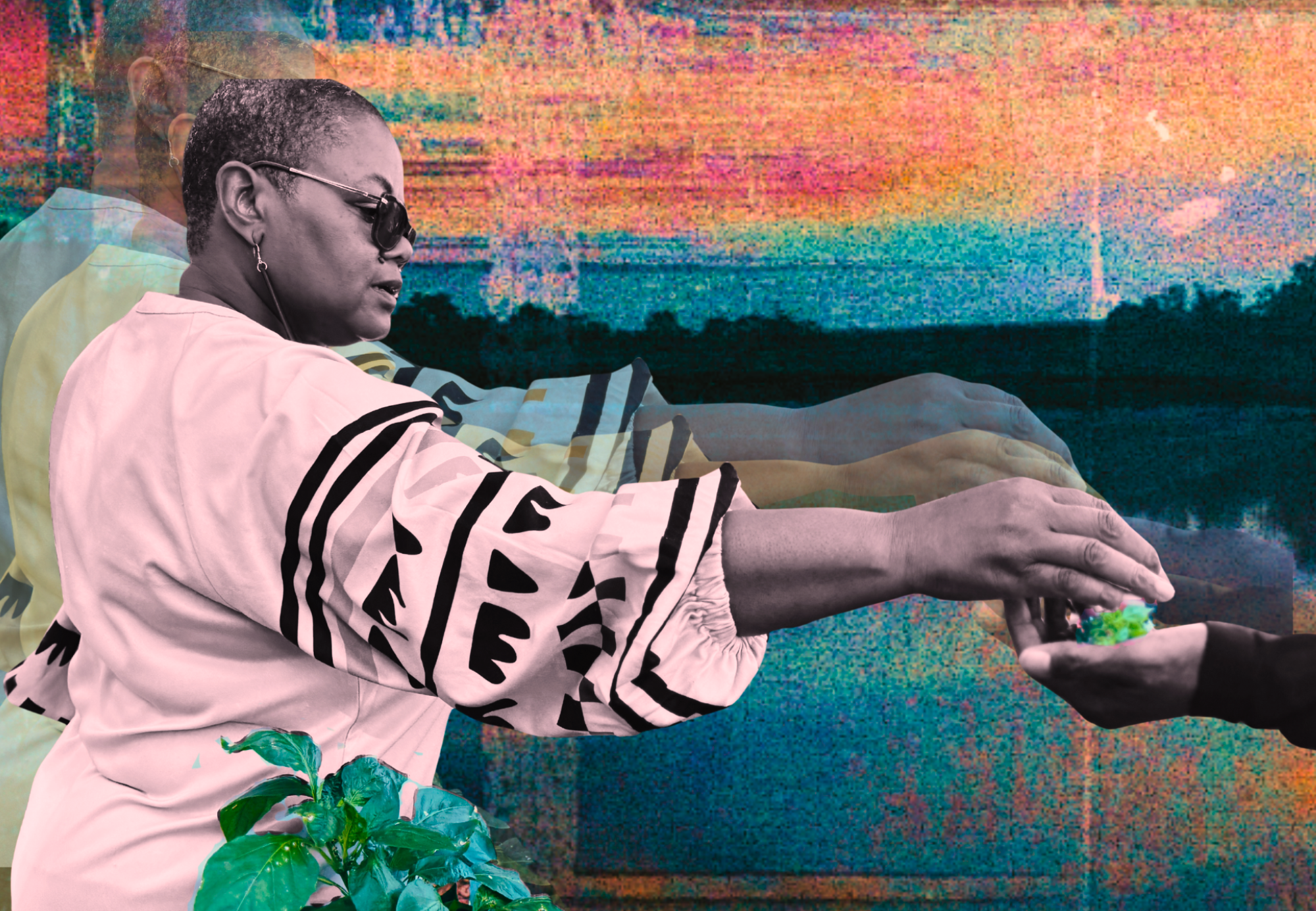
Levita Mondie is a longtime culinary artist and resident of Anacostia for over 20 years. This Memphis native, and the owner of Vita’s Vegan Ventures. For Levita, food is a living language—one that honors ancestors, builds community, and keeps memory active through daily practice. In both her kitchen and her garden, she stays deeply connected to her mother and grandmother, carrying their presence forward through cooking, growing, and shared meals.
Levita’s home is a gathering place. Around her kitchen table, she welcomes community to share her cooking and homemade wine, creating spaces of warmth, conversation, and belonging. She consistently encourages others to grow their own food, tend small gardens, and commune with neighbors as an act of care and cultural preservation. Her home models generosity—showing how nourishment becomes more powerful when it is shared.
I chose Levita’s home because she is my community big sister—someone who has connected me to others and back to my own practice of home.
The prescription Levita Mondie offers the community is this: gather at the table and grow together. Her life reminds us that the changes we seek in society can begin right where we are—in kitchens, gardens, and homes that open themselves to care, conversation, and collective nourishment. Levita is the proud mother of Yetunde and Niara Mondie Sapp.
The Home Curtis Taylor & Kia Greene
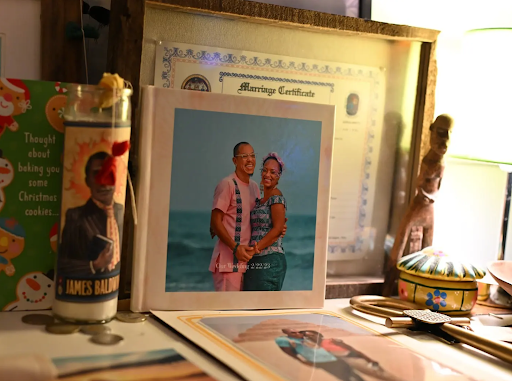
Curtis Taylor is a Licensed Social Worker with over 25 years of experience supporting children and families in Washington, DC and Maryland. Through school-based social work, after-school programs, and youth groups, he has remained deeply rooted in the daily lives of the communities he serves. A Master Gardener, Curtis also contributes to community gardens and restoration projects, bringing care and sustainability into shared spaces. He is an avid runner and cyclist and continues to support youth wellness through programs like Capital Cycle Camp.
Kia Greene is the founder of KIJANI Vintage Goods, a Washington, DC–based vintage brand known for thoughtfully curated, vintage and sustainable apparel and goods. Through pop-ups and local markets, Kia weaves style, history, and intention—offering pieces that honor the past while inviting new expression.
I chose Kia and Curtis because their home reflects their love and care for one another. They move through the space in quiet harmony—cooking, reading, and welcoming family and friends with ease. Their home holds joy, generosity, and story, making it a place for everyday connection or communal celebration.
The prescription they offer the community is this: let love guide how home is lived in. When care and presence shape a household, home becomes medicine—for family, friends, and the wider community.
You can learn more about Kia on IG at @kijanimeansgreen_ and Curtis at https://capitalcyclecamp.org/
The Home of Karen Hilliard
Karen Hilliard is often the first person people meet when they arrive in the community—and once you meet her, you understand why. She moved into her family home in 1956 at just two years old and has spent a lifetime tending not only that house, but the spirit of the neighborhood around it. A matriarch in every sense, Ms. Karen was one of the first people I met when I moved East of the River, offering both welcome and grounding through her presence.
For decades, Karen has served as President and Vice President of the block association, now sharing leadership with Micah Winograd. She believes deeply in keeping community traditions alive, holding dear memories of block parties, playground gatherings, and neighbors looking out for one another. Her parents’ last words centered on keeping the family home, a charge she has honored by preserving it and teaching her son the importance of holding it within the family.
Karen is the keeper of her family’s legacy—caring for its spiritual, mental, and material wealth—and she lets that legacy flow outward into the community. Active in the fight to protect a beloved neighborhood park from developers, her relentless spirit, joy, and clarity are contagious.
The prescription Karen Hilliard offers the community is this: let the spirit of community pour from your home. When home becomes a place of memory, leadership, and welcome, it becomes medicine that anchors neighborhoods, protects what matters, and ensures the past propels and informs the future of the community.
The Home of cece p
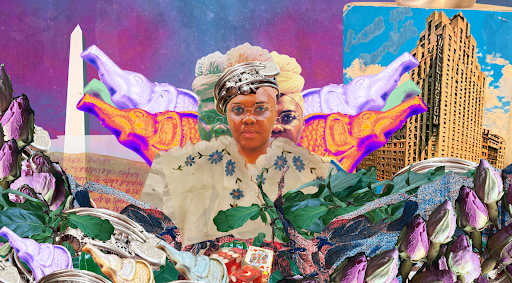
I met cece p at a playback hosted by John Johnson, and even in a moment of transition, her sense of home was unmistakable. Having recently moved into a new space, she carries both the tenderness of missing a former home and the quiet excitement of what is still unfolding. Yet even in this in-between moment, cece p has created a place that feels welcoming—one with room for rest, creativity, and reflection.
cece p brings her home with her. Through family stories, traditions, favorite objects, and thoughtful details, she reminds us that a house does not make a home; the home within us shapes the spaces we inhabit. As the keeper of her family’s archives, she carefully curates both material and metaphysical memories—holding stories, lineage, and meaning with reverence and responsibility.
I chose cece p because she shows us that transition itself can be powerful.
The prescription cece p offers the community is this: carry your home within you. When we honor memory, intention, and care—especially in times of change—we create spaces that feel alive with possibility, grounding us in who we are while opening us to what is yet to come.
The Ancestral and Memory Home of Stan Squirewell
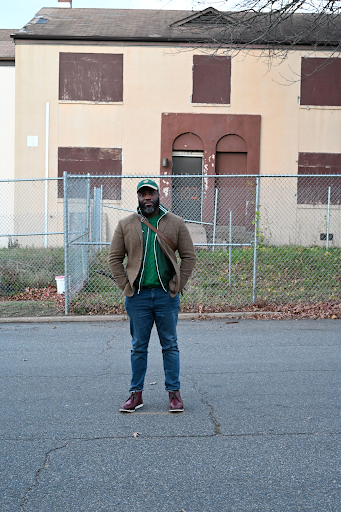
Stan Squirewell is a Washington, DC–born painter, photographer, installation, and performance artist whose work powerfully holds memory, place, and cultural truth. Raised in Barry Farms—one of the oldest communities east of the Anacostia River—Stan carries the lived memory of a neighborhood before displacement, before doors were locked, and before communities were pillaged by drugs, guns, and divestment. Though Barry Farms has since been bulldozed and is being rebuilt, its earlier rhythms, care networks, and beauty remain alive in his work.
Squirewell’s inquiry deepened after discovering Indigenous roots within his own family history, prompting a close examination of census records, enlistment documents, and institutional archives. His work—shaped by hip-hop’s logic of remix and crate-digging—reassembles museums, private collections, and historical narratives to write history anew. As he notes, the goal is to invite viewers to question what they think they know and who taught it to them.
I chose Stan because his practice keeps place alive even when land is taken.
The prescription Stan Squirewell offers the community is this: remember what was and protect it through story. When memory is carried forward with intention, art becomes home and history remains rooted in the people who lived it.
The Home of Nakia
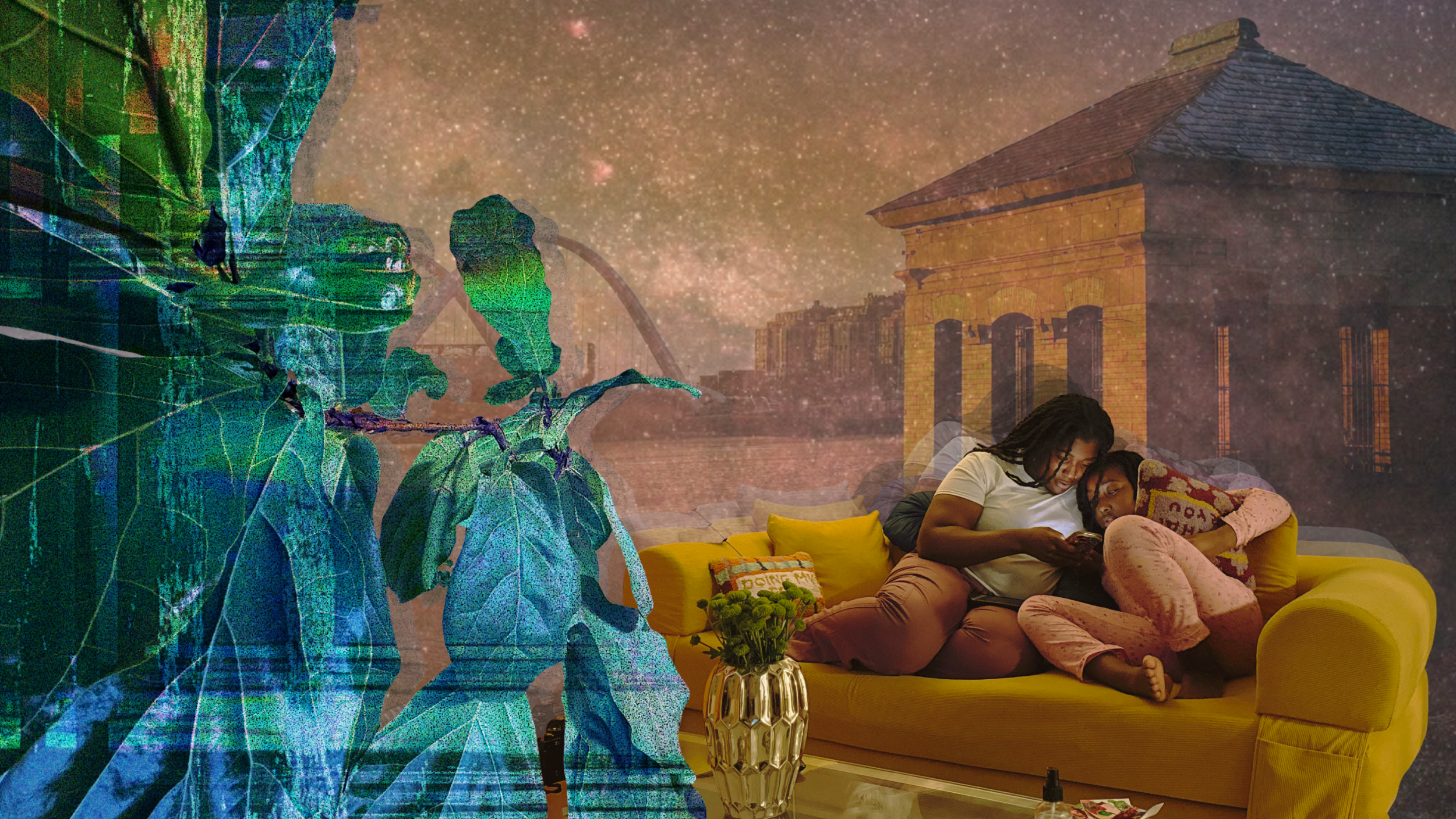
Nakia was introduced to me by Charnal Chaney, and from the beginning it was clear that she is deeply loved and held by her community. With family ties East of the River, Nakia was newly settling into her home—the first place she and her daughter would truly build together. That moment of beginning carries throughout her space.
I chose Nakia because she is a beautiful example of how people blossom when surrounded by care. Her relationship with her daughter is affirming, intentional, and rooted in mutual respect. She is serious about home being a place of peace and nurturing—one that offers both softness and guidance. In their home, cooking together becomes a ritual, and even the simplest touches are shaped with love and thoughtfulness.
Nakia has created a space that welcomes family and friends while centering her daughter’s growth and joy.
The prescription Nakia offers the community is this: build home with love, intention, and presence. When a home is grounded in care—no matter how simple—it becomes medicine, helping both those who live there and those who enter feel seen, supported, and at ease.